

Exploring the psychology behind gambling addiction 31 agosto, 2026
The Nature of Gambling Addiction
Gambling addiction, often termed compulsive gambling, is a multifaceted psychological condition marked by an uncontrollable urge to gamble despite facing detrimental consequences. This addiction shares similarities with other forms of dependency, like substance abuse, and can result in severe emotional, financial, and relational turmoil. The excitement associated with gambling can trigger the release of dopamine, a neurotransmitter integral to the brain’s reward circuitry, while players seeking a new uk casino fast withdrawal may find themselves further drawn into this cycle. This biological reaction reinforces the gambling behavior, ensnaring individuals in a cycle of chasing losses while striving for the euphoric high that comes with winning.
The social dimension of gambling significantly contributes to its addictive characteristics. For many individuals, gambling is not merely an isolated activity but a form of entertainment and social engagement. Casino environments are meticulously designed to captivate visitors with vibrant lights, enticing sounds, and a lively atmosphere, creating an almost euphoric experience. This immersive environment can lead to habitual attendance, with individuals increasingly escalating their gambling behavior over time. Recognizing these dynamics is crucial for identifying early indicators of gambling addiction and understanding how social interactions can influence gambling habits.
Moreover, psychological factors such as personality traits and underlying mental health issues can heighten the risk of developing a gambling addiction. People exhibiting impulsive behaviors or those grappling with anxiety and depression may turn to gambling as a coping mechanism, seeking solace in the thrill it provides. As the addiction spirals, these individuals often prioritize gambling over their relationships, careers, and overall well-being. Understanding these psychological foundations is essential for individuals and their loved ones, enabling them to recognize problematic gambling behaviors early and seek the necessary interventions.
The Role of Cognitive Distortions
Cognitive distortions are pivotal in gambling addiction, shaping how individuals interpret their gambling experiences. Many compulsive gamblers hold onto misguided beliefs, such as the illusion of control, which leads them to think they can affect the outcomes of games of chance. This misbelief often results in reckless behavior, as individuals continue to gamble, convinced they are ‘due’ for a win or that their luck is about to change. This faulty reasoning is frequently exacerbated by selective memory, where gamblers focus on their wins while conveniently forgetting their losses, thus reinforcing their ongoing engagement with gambling.
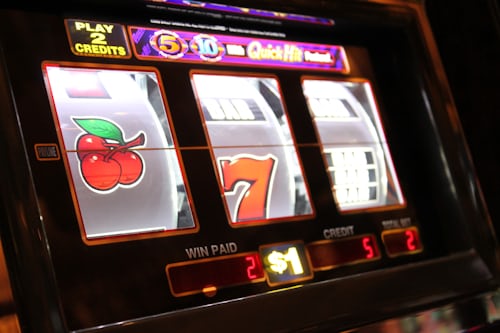
Additionally, gamblers often fall prey to the ‘near-miss’ phenomenon, where they come close to losing but manage to avoid it. This psychological trap instills a false sense of proximity to winning, compelling individuals to persist in their gambling endeavors, even when statistical evidence suggests otherwise. Failure to acknowledge the negative patterns in their gambling behaviors can lead them deeper into addiction, making it increasingly challenging to break free from the cycle. Understanding these cognitive distortions is vital for effective intervention.
Addressing these cognitive distortions through education and awareness is crucial in combating gambling addiction. Programs that incorporate cognitive-behavioral therapy (CBT) can assist individuals in recognizing and challenging their irrational beliefs surrounding gambling. By addressing these cognitive pitfalls, individuals can cultivate healthier coping strategies, ultimately reducing their reliance on gambling as a primary source of fulfillment or escape. Empowering individuals with knowledge about their thought patterns can significantly impact their recovery journey.
Emotional Escalation and Consequences
The emotional landscape of gambling addiction is often tumultuous, characterized by extreme fluctuations between excitement and despair. Initially, gambling may provide a thrilling escape, offering a temporary reprieve from stress and anxiety. However, as the addiction escalates, the emotional toll can lead to overwhelming feelings of anxiety, guilt, and depression. The euphoric highs associated with winning become fleeting, prompting individuals to chase those feelings, which can result in increasingly harmful gambling behaviors that exacerbate their emotional distress.
As the addiction deepens, the consequences can become dire. Financial troubles, including mounting debts, depleted savings, and strained relationships, typically emerge as individuals prioritize gambling over their responsibilities. The pursuit of the elusive high can severely disrupt personal relationships, with loved ones often feeling neglected or betrayed. This isolation can further entrench the cycle of addiction, as individuals retreat deeper into their gambling habits to cope with the fallout from their actions. Understanding the emotional ramifications of gambling addiction is essential for effective intervention and support.
To address the emotional consequences of gambling addiction, a dual focus on behavioral change and emotional healing is necessary. Therapeutic interventions, including counseling and support groups, can provide individuals with vital tools to rebuild their emotional resilience. Learning to manage negative emotions without resorting to gambling is critical for breaking the cycle of addiction and nurturing healthier relationships and lifestyles. Emotional support plays a pivotal role in recovery, as individuals learn to navigate their feelings and find healthier outlets for their stress.
Treatment Options and Approaches
Effective treatment for gambling addiction often necessitates a multifaceted approach that encompasses therapy, support groups, and sometimes medication. Cognitive-behavioral therapy (CBT) is particularly effective in helping individuals understand their thoughts and behaviors related to gambling. Through CBT, individuals can identify and reframe cognitive distortions that contribute to their addiction, empowering them to make more rational decisions and cultivate healthier coping mechanisms.
Support groups, such as those modeled after Alcoholics Anonymous, provide a valuable platform for individuals to share their experiences and support each other in their recovery journeys. These groups foster a sense of community and reduce feelings of isolation and shame, which can be prevalent among those struggling with gambling addiction. Sharing personal stories and strategies for managing urges can be instrumental for individuals striving to quit gambling, offering them hope and solidarity in their recovery process.
In certain cases, medication may also be an integral part of treatment. While no specific medications are exclusively approved for gambling addiction, some drugs used to treat impulse control disorders have shown promise in managing symptoms. Medications that assist in mood regulation or reduce impulsivity can help individuals control their cravings and emotional states. Collaborative efforts between mental health professionals, support networks, and individuals grappling with gambling addiction are crucial in enhancing the likelihood of successful recovery outcomes.
Resources for Help and Support
Accessing the right resources for gambling addiction is vital for individuals seeking help. Numerous organizations and support networks exist, offering a range of programs tailored to diverse needs. Many countries have established helplines and online resources where individuals can find confidential support, information, and guidance on treatment options. These resources aim to educate the public about the risks associated with gambling and provide actionable steps for those struggling with their gambling habits.
In addition to professional therapy and support groups, many individuals find value in engaging with self-help strategies. Understanding the nature of gambling addiction and identifying personal triggers can empower individuals to cultivate healthier habits. Employing mindfulness and stress reduction techniques can also aid individuals in managing their urges and making more informed choices regarding gambling. Knowledge and proactive engagement in one’s recovery can significantly enhance the effectiveness of treatment.
Ultimately, the journey to recovery from gambling addiction is both personal and often challenging. However, with appropriate support and resources, individuals can reclaim their lives and transition towards healthier, more fulfilling lifestyles. Engaging with the community and utilizing available support networks can provide invaluable assistance on this path to recovery. By fostering connections, individuals can find strength in shared experiences and build a foundation for lasting change.
